The Hand and the Age

I heard someone recently try to sort out the difference between antique and vintage. It made me smile. After decades of moving through antique dealers’ homes in the English countryside, warehouses in Belgium, and the private shops and flea markets in Paris, those definitions feel less fixed than they once did. Age matters, of course, but it is rarely the whole story.
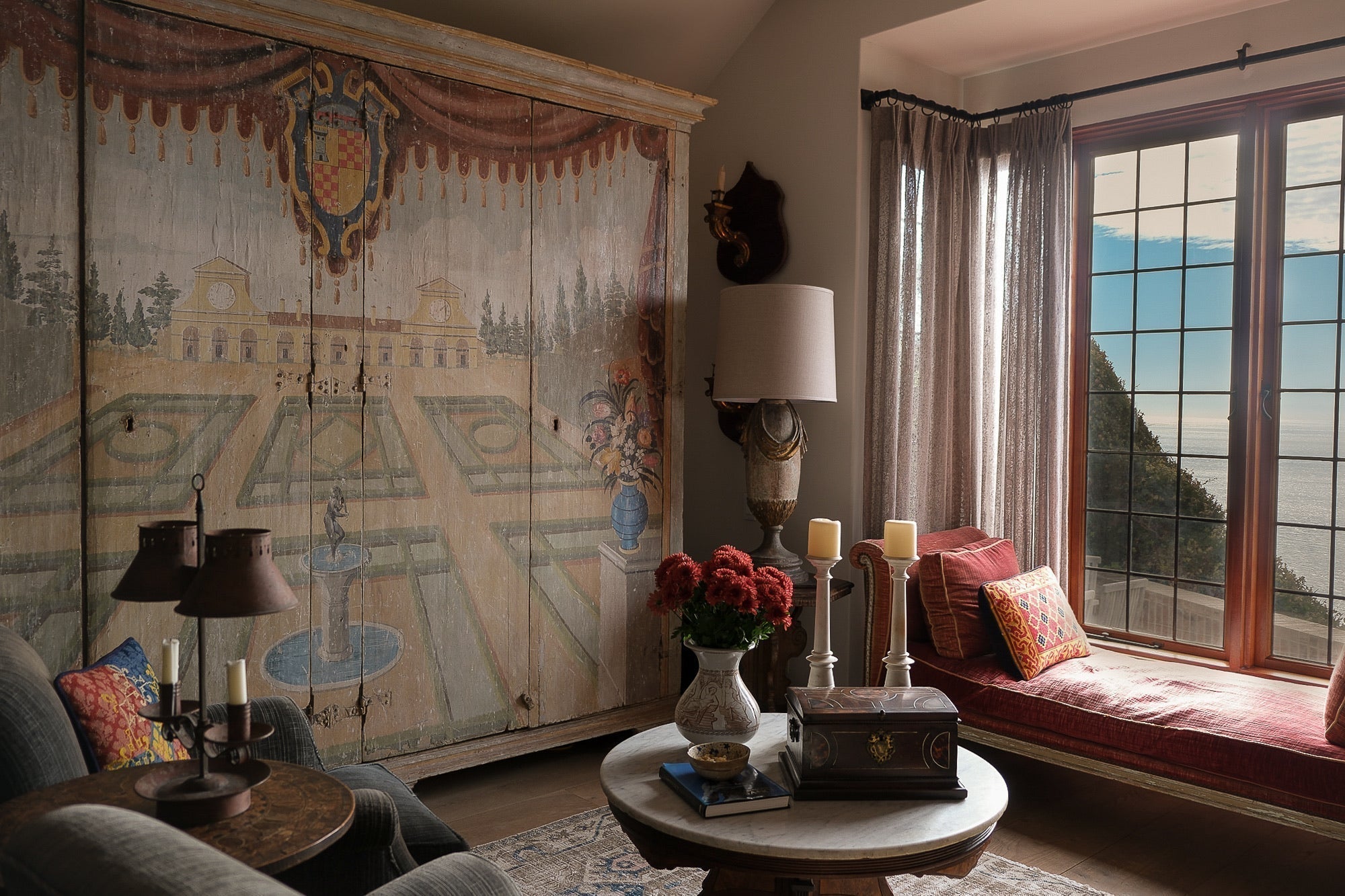
What draws me in is how a piece changes through use. Objects made from real materials respond to time in quiet ways. Surfaces deepen. Edges soften. Proportions ease. These shifts are not signs of wear so much as records of living. Over time, they add to the original intention of the piece rather than detract from it. We commonly refer to it as patina. A sense of humble character cannot be properly duplicated.


Early furniture often carries this most clearly. A table that has been pulled close for years. A chair that has settled into its stance. These changes happen slowly, shaped by light, movement, and daily life. They give a piece presence and warmth, qualities that cannot be rushed or manufactured.
As the twentieth century progressed, the rhythm changed. Industry grew louder. Lines became cleaner. Surfaces more controlled. Some objects still carried a trace of earlier workmanship, while others reflected a new pace entirely. You can see the transition if you look long enough. The hand becomes quieter. The evidence of use becomes more restrained.

I sometimes wonder which words will serve us best as time keeps moving forward. Antique may always belong to objects shaped by slower labor. Vintage may continue to describe those born from a more modern moment. In the end, what matters most is how a piece lives in a room. Some objects, regardless of when they were made, settle in with the quiet authority of something that has been part of life for a very long time.